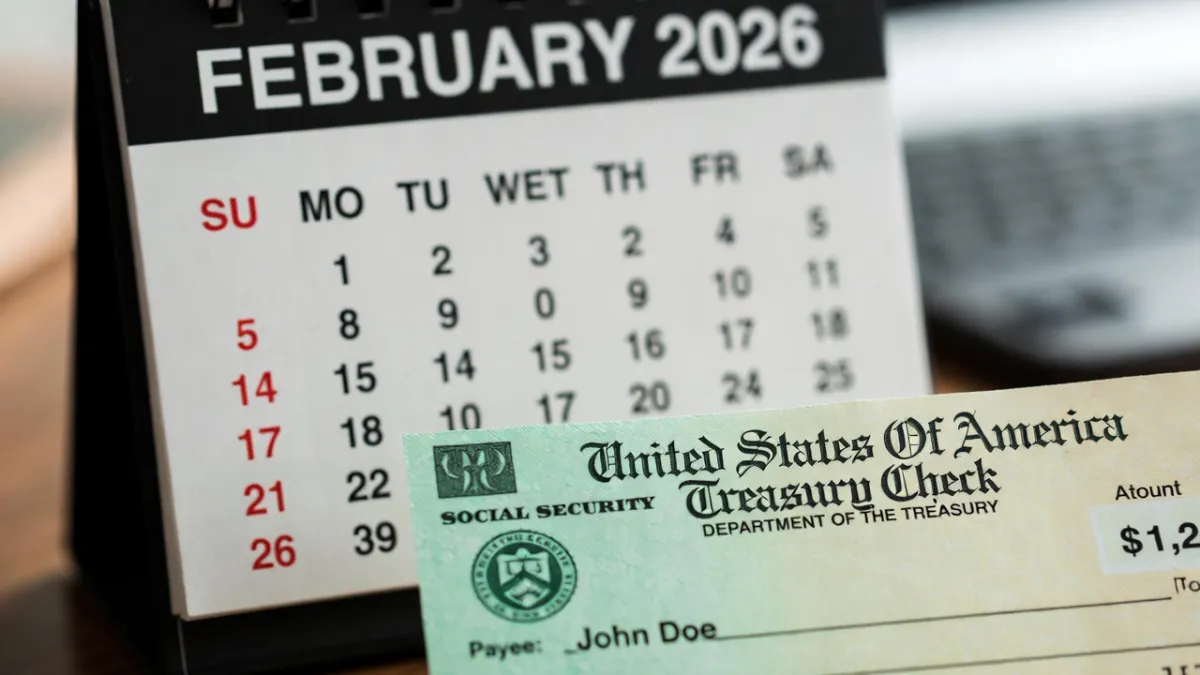
As February 2026 begins, many Americans who rely on Social Security and Supplemental Security Income are closely watching their bank accounts. These monthly payments are essential for covering rent, food, prescription medications, transportation, and utility bills. Because so many households depend on this income, understanding the payment schedule helps reduce uncertainty and supports better financial planning.
The February 2026 payment cycle follows the standard system used in previous years. No major changes have been announced to the distribution structure. The Social Security Administration oversees retirement benefits, Social Security Disability Insurance, and SSI. Although these programs are managed by the same agency, they follow different payment calendars.
SSI payments are normally issued on the first day of each month. If that date falls on a weekend or a federal holiday, the deposit is sent on the last business day before the first. This adjustment ensures that recipients receive their funds without unnecessary delay. When the first of the month falls on a regular weekday, payments are typically deposited on that exact date.
यह भी पढ़े:
 $2,000 Federal Deposits February 2026 Explained With Eligibility Rules, Timeline, and Latest Updates
Retirement and SSDI benefits follow a birth-date-based schedule. Beneficiaries born between the first and tenth of any month usually receive their payment on the second Wednesday. Those born between the eleventh and twentieth are paid on the third Wednesday. Individuals with birthdays between the twenty-first and the end of the month generally receive their benefits on the fourth Wednesday.
There is one important exception. People who began receiving Social Security benefits before May 1997 are usually paid near the beginning of the month rather than on the Wednesday rotation. This long-standing rule continues to apply in 2026.
Any cost-of-living adjustment approved for the year is already included in monthly payments and continues automatically. Benefit amounts vary based on personal work history, earnings records, and any deductions such as Medicare premiums.

While payment delays are rare, they can occur due to banking updates, account changes, or verification reviews. Beneficiaries are typically advised to wait three business days before reporting a missing deposit. Checking an official online SSA account is the most reliable way to confirm payment details.
Disclaimer: This article is provided for informational purposes only and does not offer legal or financial advice. Payment dates and benefit amounts depend on individual records and official Social Security Administration policies. For the most accurate and updated information, contact the SSA directly or review official government resources.